
What special requirements are there for producing underfloor heating mesh of different specifications?
Release time:
2026-10-29
What special requirements are there for producing underfloor heating mesh of different specifications?Light gauge mesh (thin wire, small mesh opening, common for UFH)Low welding current setting to avoid burning through thin wires. Control tension well to prevent mesh distortion. Edge trimming need
What special requirements are there for producing underfloor heating mesh of different specifications?
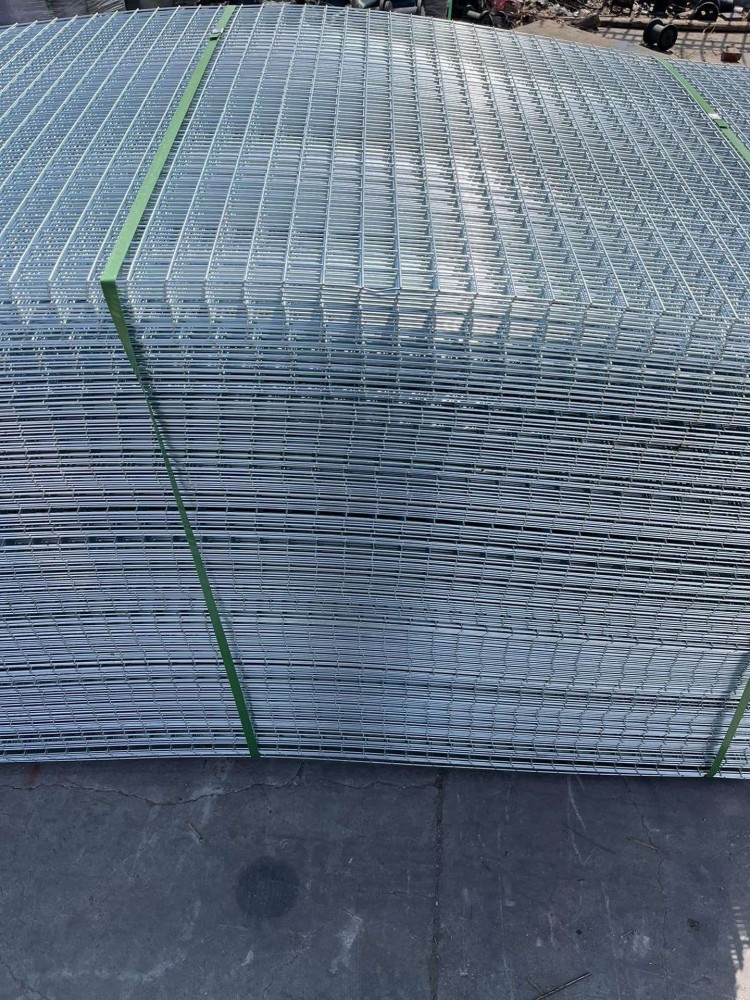
Light gauge mesh (thin wire, small mesh opening, common for UFH) Low welding current setting to avoid burning through thin wires. Control tension well to prevent mesh distortion. Edge trimming needs to be neat without sharp burrs to protect heating pipes.
Heavy gauge mesh (thicker wire, for heavy-duty screed) Increase welding current and welding time to guarantee strong welds. Reinforce packaging to prevent bending during handling and shipment.
Different mesh spacing Calibrate the welding machine spacing jig for every size. Ensure consistent pitch across the whole sheet, convenient for pipe layout on site.
Custom cut-to-size mesh Strict length & width tolerance. Mark specifications clearly on bundles for easy sorting at the construction site.
Galvanized UFH mesh For pre-galvanized wire: minimize heat impact on zinc coating at welding spots to reduce rust risk. For post-galvanized mesh: ensure uniform zinc coverage after welding.
Ribbed vs plain wire mesh Ribbed wire requires extra check on rib orientation; keep ribs exposed to secure better bonding with screed. Plain wire focuses on flatness of the finished sheet.
related news
2026-08-27
2026-11-03